Let’s be honest: thinking about home interior design can feel daunting. It might bring to mind fancy magazines, sky-high budgets, and the fear of making a “wrong” choice. I once spent months paralyzed over a sofa color. That experience taught me that designing your home isn’t about perfection, it’s about connection. It’s the process of shaping your surroundings to support and reflect the life you want to live.
When your space mirrors your heart, it does more than look good it makes you feel something. This is the core of creating story-driven spaces. Whether you’re starting from scratch or refreshing a room, this guide will help you create a home that is authentically yours.
Current Interior Design Trends: The 2026 Landscape
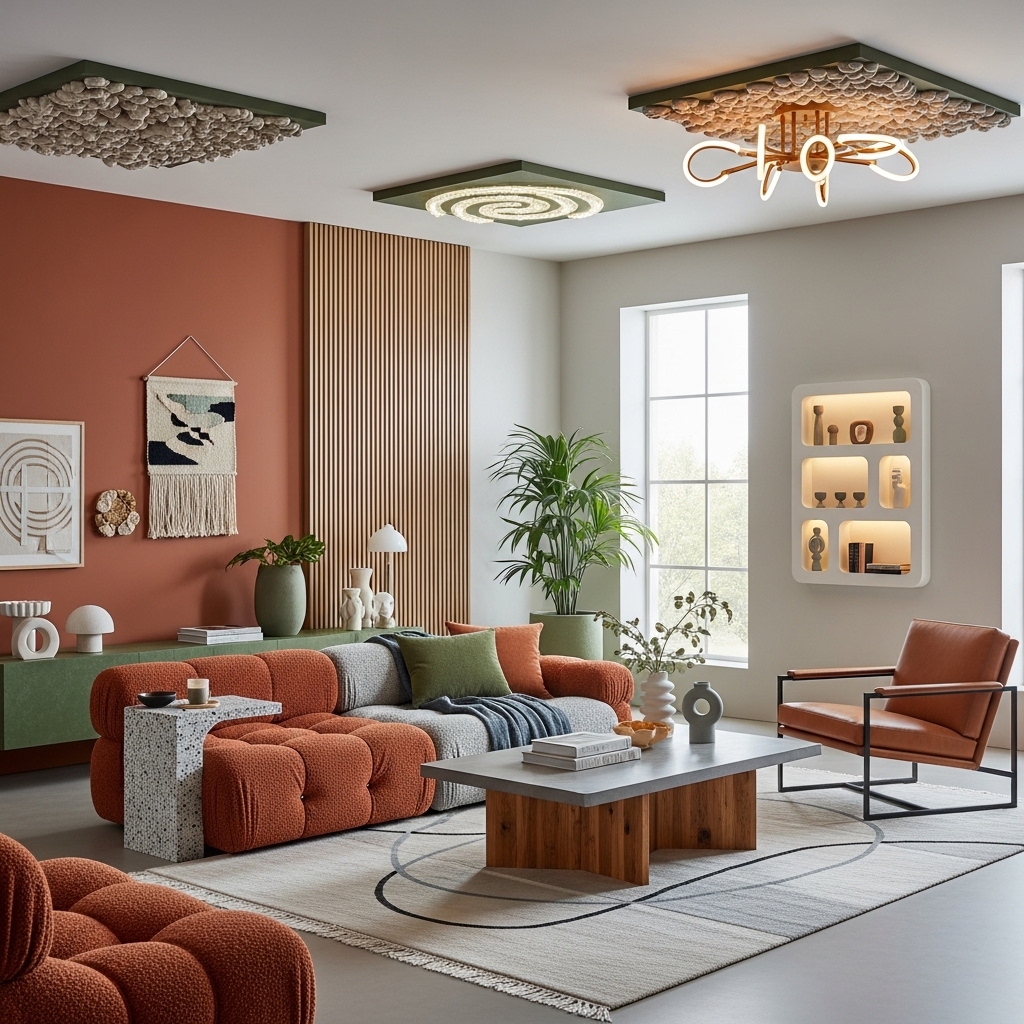
Before you dive into your own plans, it’s helpful to see what’s shaping spaces today. Think of current interior design trends not as rules, but as inspiration. The overarching theme is a move towards authenticity, personal comfort, and intentionality.
Here is a snapshot of key movements defining interior design this year:
| Trend | Core Idea | How to Implement It |
|---|---|---|
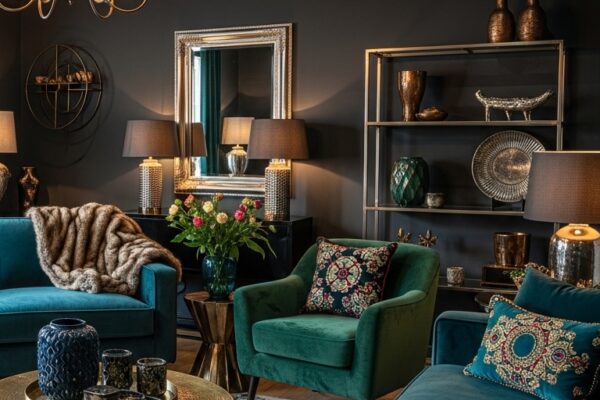
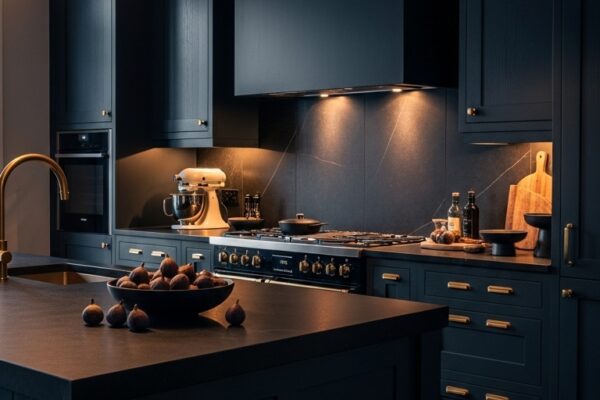
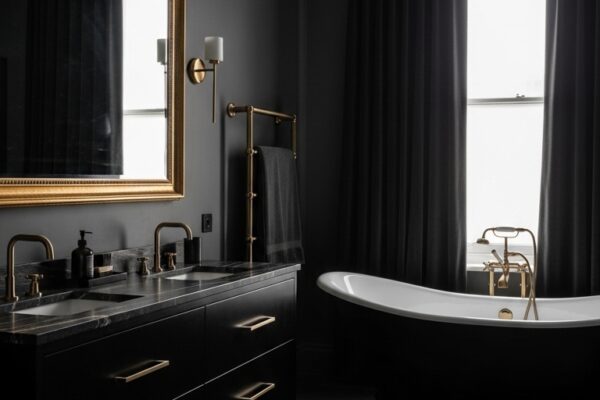
| Atmospheric & Quiet Interiors | Creating cohesive, calming moods through tonal colour palettes and texture. | Paint walls, trim, and ceilings in closely related shades. Layer materials like linen, wood, and stone. |
| Bold & Maximalist Accents | Embracing joy and personality through deliberate bursts of pattern, colour, and collectibles. | Use a bold wallpaper in a powder room, or mix patterns on pillows and art within a controlled colour scheme. |
| Biophilic & Natural Design | Strengthening our innate connection to nature within the built environment. | Incorporate natural light, houseplants, organic materials (wood, jute, stone), and nature-inspired colours. |
| Curved & Organic Shapes | Softening living spaces with furniture and architecture that feels gentle and inviting. | Choose a rounded sofa, an oval coffee table, or arched shelving to balance straight lines. |
| Personalized & Vintage Layers | Prioritizing unique finds and heirlooms that tell a personal story over mass-produced items. | Shop at vintage stores, display family artifacts, and mix furniture from different eras for depth. |
Interior Design Process: Your Step-by-Step Guide
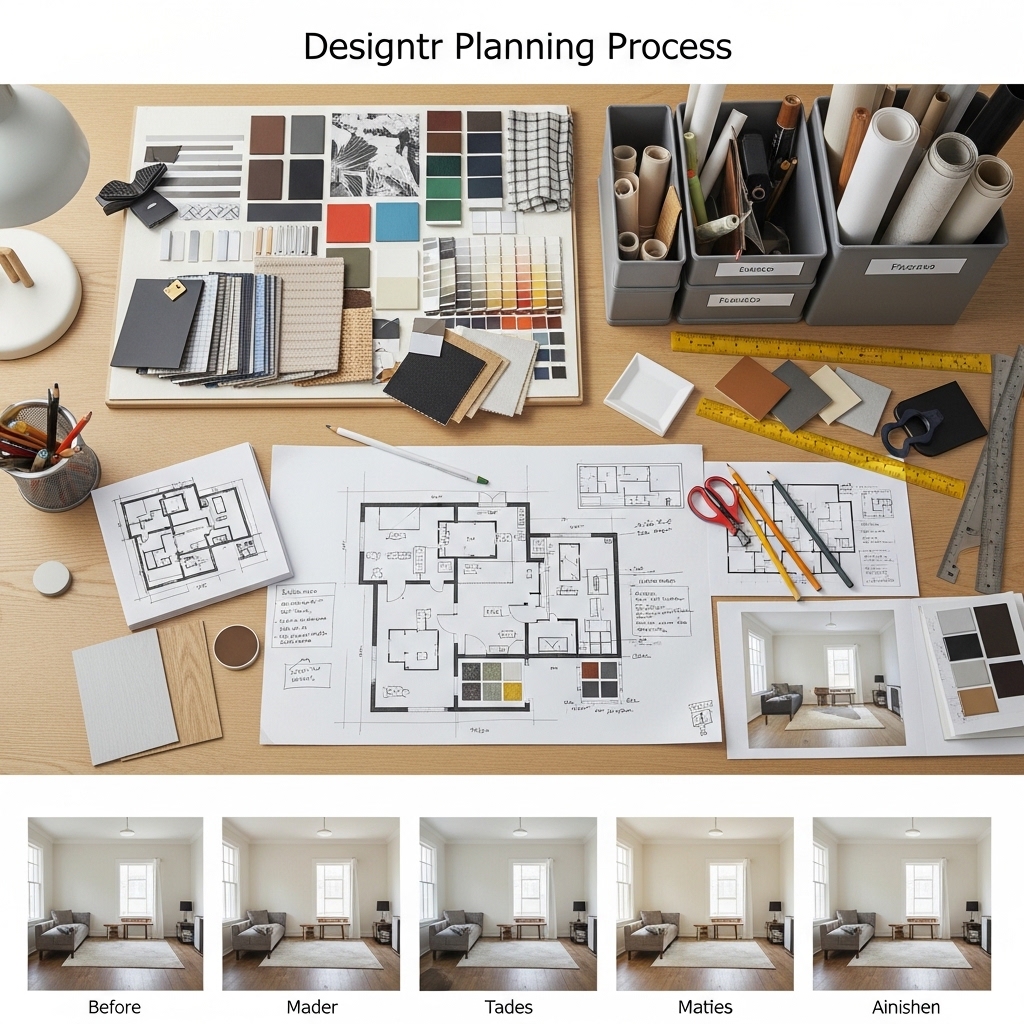
Turning a vision into reality requires a plan. Following a structured interior design process transforms an overwhelming project into an achievable journey. Here is a practical framework to guide you.
Step 1: Discovery and Planning
This foundational phase is about looking inward.
- Define Your “Why”: Ask big questions. How should the room feel? What activities must it support? Jot down words like “peaceful,” “energizing,” or “connected.” Establish a realistic budget and timeline.
- Gather Inspiration: Use platforms like Pinterest or Houzz to create a digital mood board. Don’t overthink, save everything you love, then look for recurring colors, styles, and moods.
Step 2: Concept Development
Synthesize your inspiration into a cohesive direction.
- Refine Your Mood Board: Create a single, focused board that tells a clear story. This is your project’s North Star.
- Establish a Palette and Style: Based on your board, select a primary color, 1-2 secondary colors, and accents. Name your style direction is it Scandinavian, Modern Farmhouse, or Eclectic?
Step 3: Space Planning
Function is as important as form.
- Measure and Diagram: Measure your room meticulously. Sketch a floor plan on graph paper or use a free app. Note all windows, doors, and outlets.
- Create Zones: Divide the room by activity (e.g., conversation, reading, work). Arrange furniture to facilitate flow and conversation, avoiding the common trap of lining everything against the walls.
Step 4: Design Development
Select the pieces that will fill your space.
- Start with Anchor Pieces: Source large, key items first (sofa, bed, dining table). They set the scale.
- Layer Textures and Lighting: Combine different materials (smooth wood, nubby wool, sleek metal). Plan a layered lighting scheme with ambient (overhead), task (lamps), and accent (art lights) sources.
Step 5: Styling and Final Touches
The last 10% makes 90% of the difference.
- Accessorize with Intention: Add throw pillows, artwork, books, and greenery. Group objects in odd numbers.
- Incorporate Your Story: This is what makes a house a home. Display personal photos, travel mementos, or heirloom pieces. Styling is about soul, not just stuff.
Home Decor Ideas for Key Rooms
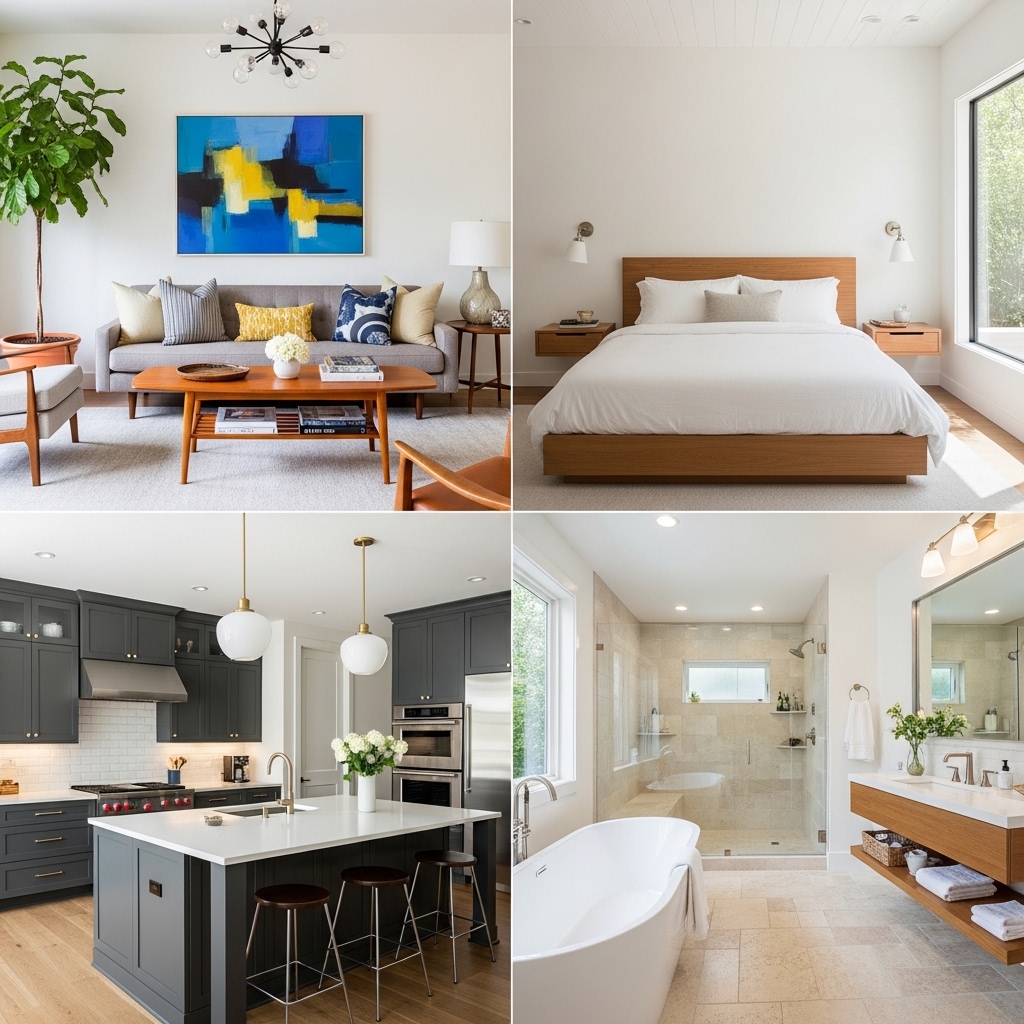
Now, let’s apply these principles with specific home decor ideas for the most common projects.
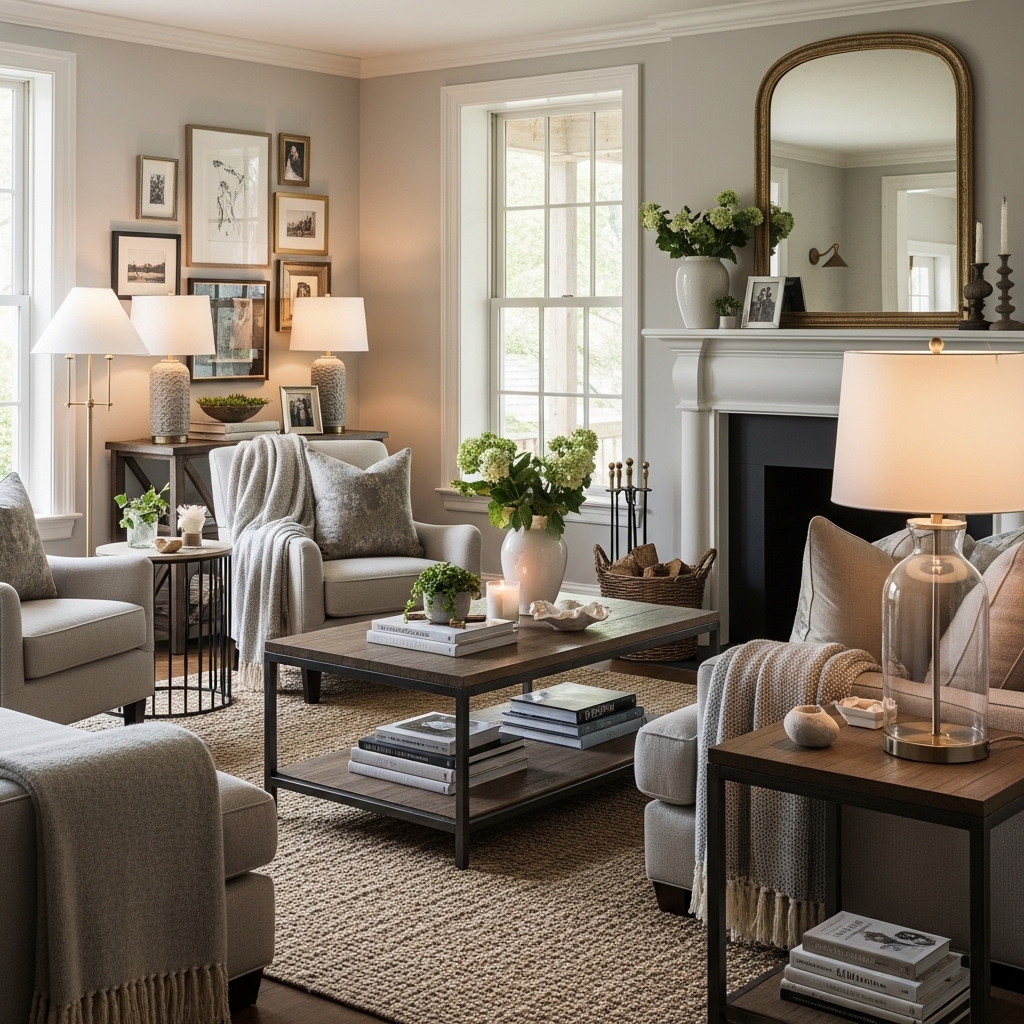
- Living Room Design Focus: Create a layout that fosters connection. Position sofas and chairs to face each other for conversation. Anchor the space with a rug large enough for all front legs of furniture to sit on. Use a large piece of art or a gallery wall as a focal point.
- Bedroom Design Focus: Prioritize calm and retreat. Invest in the best bedding you can afford. Introduce soft, layered lighting with bedside lamps or sconces for reading. Keep surfaces clutter-free to maintain a serene atmosphere.
- Small Space Solutions: Use scale-appropriate furniture and multifunctional pieces (like an ottoman with storage). Use mirrors to reflect light and create the illusion of depth. Vertical storage and cohesive colour palettes help a small space feel larger and unified.
Minimalist Interior Design Principles
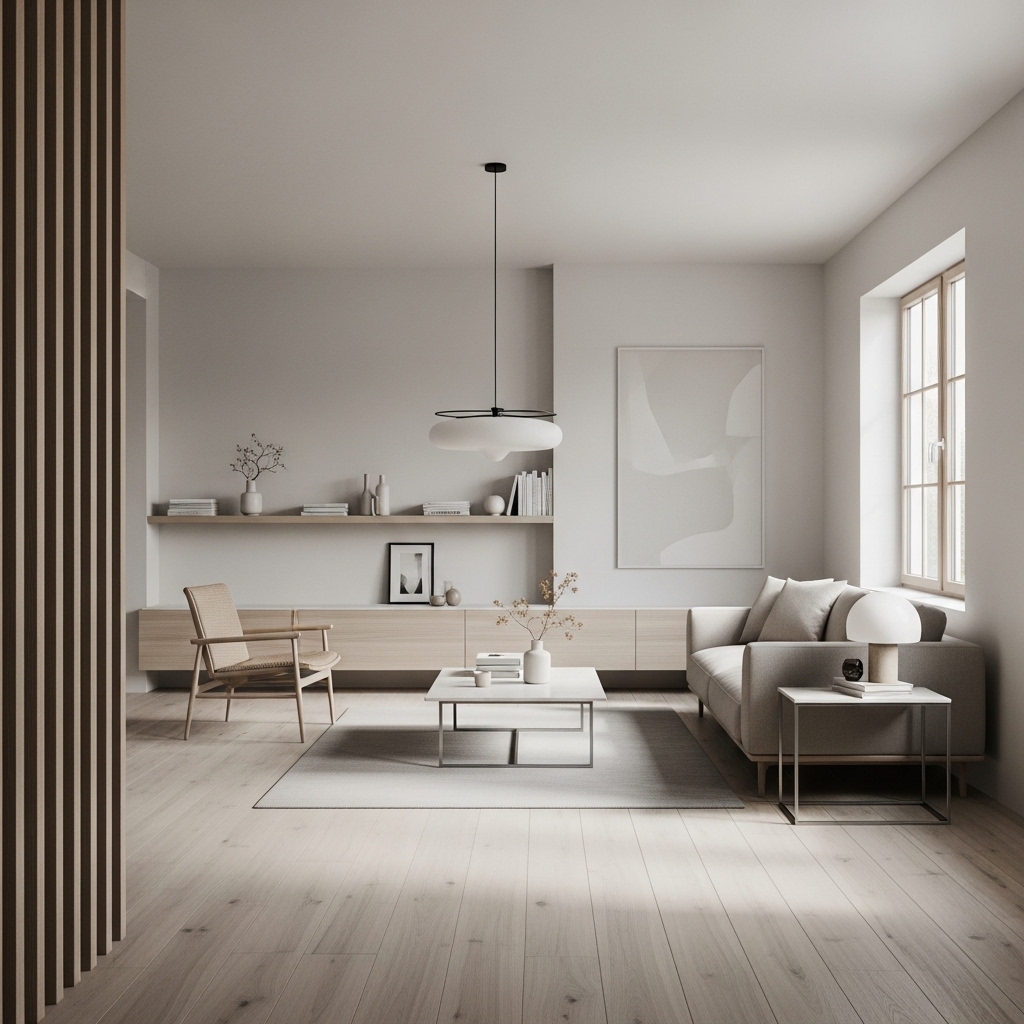
The minimalist interior design philosophy is about intentionality keeping only what is useful or beautiful. It’s a powerful approach for creating calm.
- The Core Tenets: Focus on functionality, clean lines, and open, uncluttered spaces. The colour palette is often neutral, but texture is key to adding warmth.
- How to Achieve It: Embrace the “one in, one out” rule. Choose furniture with simple silhouettes and hidden storage. Let natural light be a main feature. Remember, minimalism isn’t empty; it’s curated.
Finding Your Interior Design Style
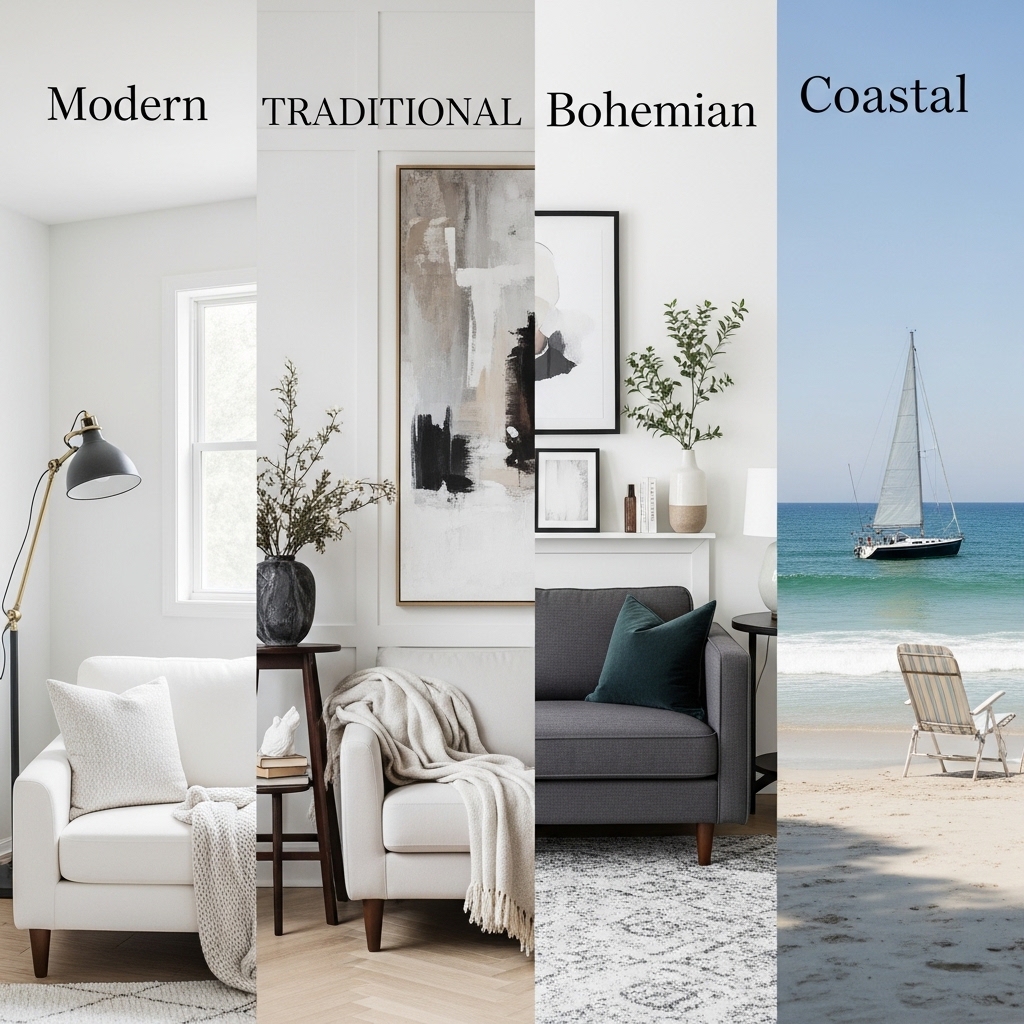
Your interior design style is a personal fingerprint. Discovering it removes the guesswork.
- Take a Style Quiz: Online quizzes from platforms like Havenly can provide a helpful starting point.
- Look for Patterns: Analyze your saved inspiration images. Do you see lots of clean lines (Modern), natural wood (Scandinavian), or ornate details (Traditional)?
- Create a Physical Anchor: Find one object you absolutely love, a fabric swatch, a piece of pottery, a painting. Use its colors, feel, and spirit as the foundation for your room.
Budget-Friendly Home Makeover Tips
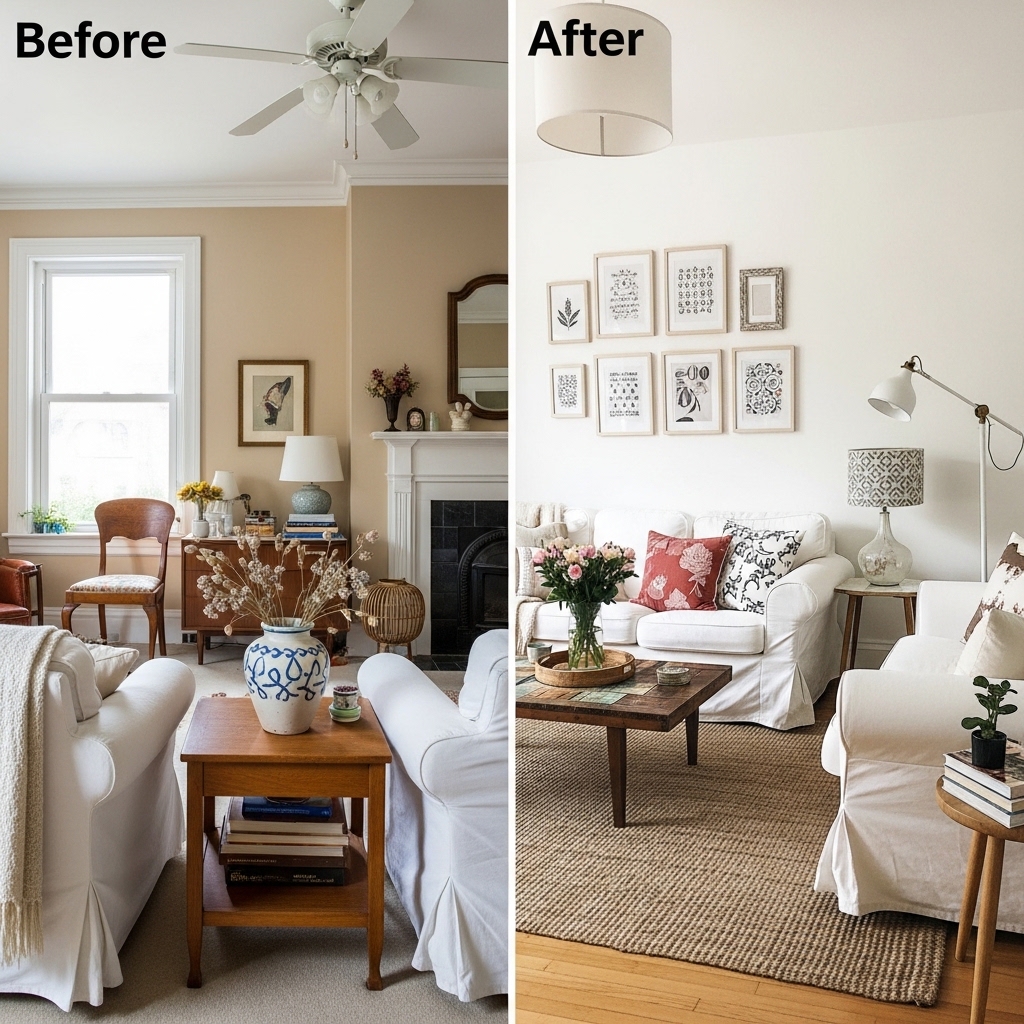
A beautiful home doesn’t require a massive budget. A budget-friendly home makeover is about strategic changes.
- Paint is Your Best Friend: A new colour transforms a room instantly. Consider painting an accent wall or your ceiling for high impact.
- Rearrange and Reimagine: Shop your home. Move furniture, art, and accessories from one room to another for a fresh feel.
- Update Key Hardwares: Swap out outdated cabinet pulls, drawer knobs, light switch plates, and door handles for modern ones.
- DIY Art and Accessories: Frame beautiful fabric, create a grid of postcards, or paint a simple abstract canvas. Personal, handmade items add unique character.
A Home That Tells Your Story
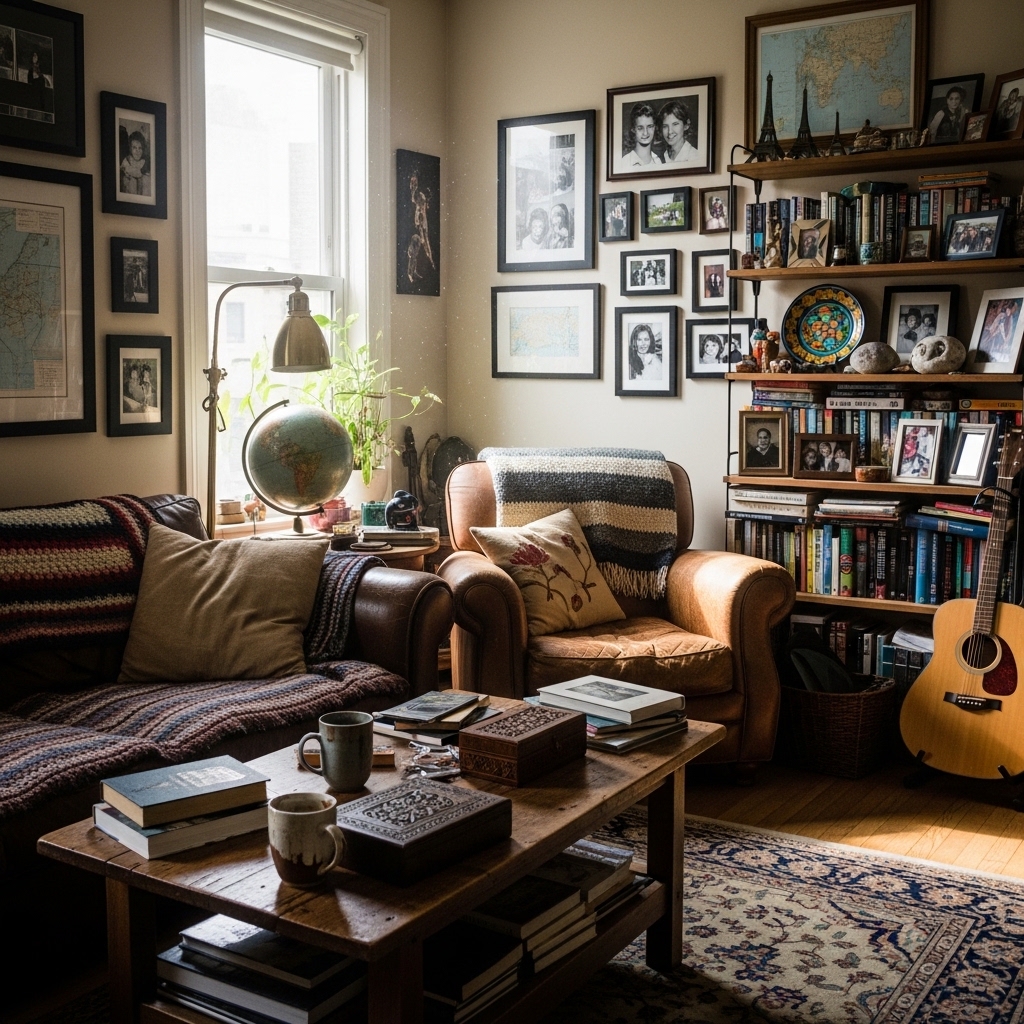
In the end, the most beautiful trend is your own intuition. The goal isn’t a showroom-perfect home; it’s a home that feels like you. It’s about the comfort of your sofa, the art that speaks to you, and the heirlooms that tell your story.
Your home is your personal canvas. Use this guide as a toolkit. Start where you are, use what you have, and build a space that doesn’t just look good, but truly feels like belonging. What room is calling out for your story to begin?
Read More About Us Click Here